Home Remodeling for Open Floor Plans
Transform Your Living Space: Modern Design Strategies for Upgrading Everyday Spaces in Your Home
Reimagining a home interior demands more than simple visual updates; it requires thoughtful planning and innovative design. Common areas, such as entryways and living rooms, are essential for creating a welcoming atmosphere. By implementing thoughtful arrangements and efficient storage systems, one can improve both usability and visual appeal. Exploring various design ideas reveals opportunities for personal expression. What components truly give a space its distinctive character? The solution may be more straightforward than anticipated.
Create a Welcoming Entryway: Making the Most of First Impressions
How can a well-designed entryway transform a home's atmosphere? A well-planned entryway functions as the primary welcome point, defining the mood for the entire living space. It invites guests in and reflects the homeowner's style and values. Essential components like lighting, color schemes, and furnishings are instrumental in crafting an inviting atmosphere. Soft, warm lighting helps eliminate stark contrasts, while a newly applied layer of paint in warm tones boosts the space's aesthetic charm.
Integrating functional pieces, such as a elegant bench or well-arranged storage, enhances functionality without compromising aesthetics. Ornamental accents, such as artwork or a striking mirror, can additionally enhance the space, making it both functional and aesthetically pleasing. By focusing on these aspects, an entryway can be reimagined as a welcoming, cozy threshold that leaves a lasting first impression, seamlessly bridging the outside world with the comfort of home.
Refresh Your Lounge: Simple Layout Ideas
When revamping a living room, thoughtful furniture organization plays an essential role in improving both form and function. By carefully arranging seating and tables, one can develop a more comfortable and appealing space. Additionally, incorporating dual-purpose furnishings can make the most of the available area while boosting the overall layout.
Maximize Furniture Organization
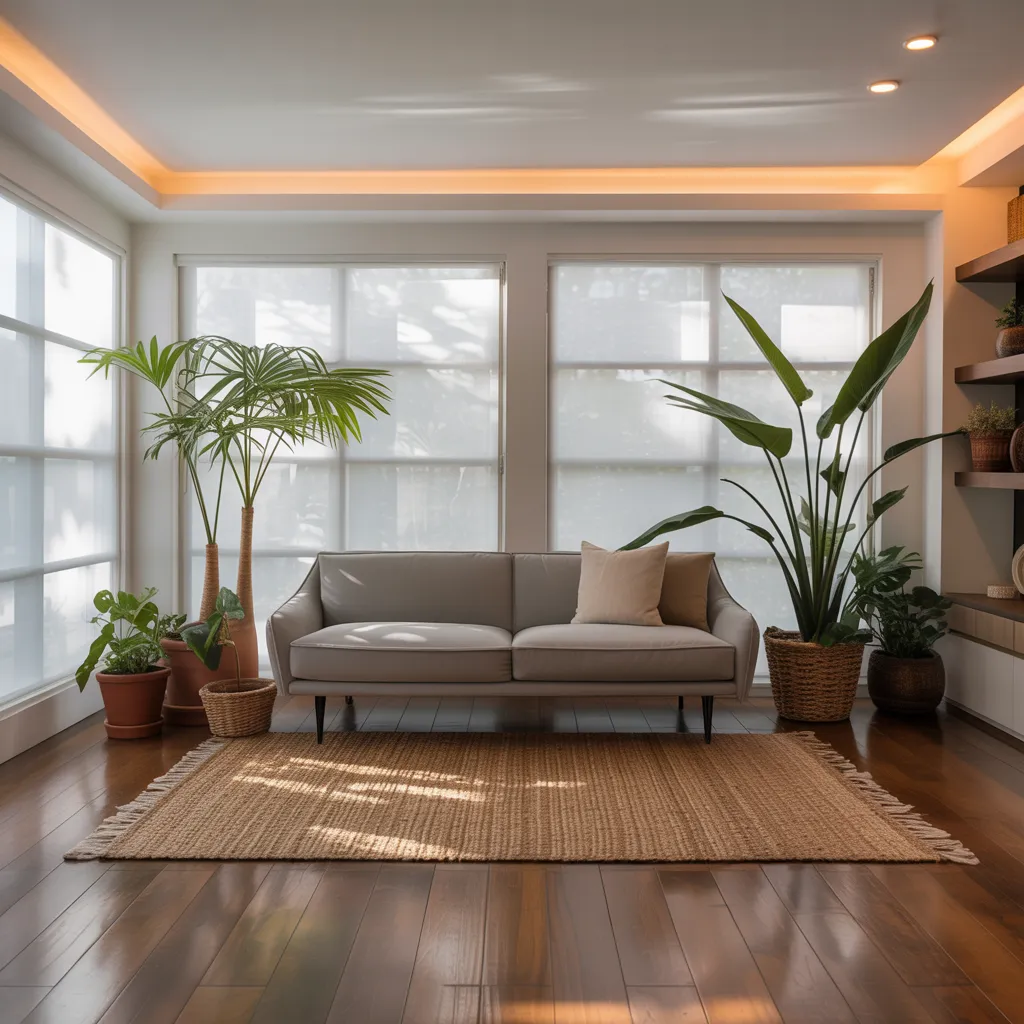
A thoroughly considered furniture arrangement can completely change a living room, improving both its practicality and visual charm. To cultivate a comfortable setting, one should evaluate the flow of movement within the space. Placing larger pieces, such as sofas, against walls can create a more airy feel, while compact seating and side tables can form comfortable social zones. Keeping corridors free and unhindered supports comfortable transit. Additionally, the use of rugs can help define different zones, lending the room a defined layout. It is vital to maintain a balance between style and practicality; preventing clutter ensures every item can be admired. By deliberately placing furniture pieces, one can cultivate a cohesive space that welcomes leisure and conversation.
Include Versatile Multi-Functional Items
Optimizing a living room's usability can be realized by incorporating versatile pieces that serve several purposes. For illustration, a sophisticated ottoman can serve as a coffee table and supply hidden storage for games or blankets. Sofa beds offer a cozy seating option while converting to a guest bed when required. Nesting tables are one more excellent choice, enabling flexibility in surface area for beverages or refreshments without taking up excessive space. Furthermore, wall-mounted shelves can exhibit decor while supplying extra storage without crowding the floor. By picking versatile furniture, homeowners can create a flexible environment that adapts to their lifestyle, making the living room both inviting and practical. These elements not only optimize space but also enhance the overall aesthetic.
Dining Area Makeover: Chic and Purposeful Design Concepts
Renovating a dining room can substantially boost a residence's overall look and usability. A thoughtfully designed dining space not only works as a gathering spot but also enriches the mood of the household. To accomplish a polished appearance, explore a unified color arrangement that pairs well with current furnishings, using neutral tones accented with vibrant shades. Incorporating a striking focal table, such as a natural reclaimed timber table or a sleek glass design, can function as a visual anchor.
Well-thought-out designs often feature banquette seating, which makes the most of the space while providing a cozy feel. Multi-functional furniture, like expandable dining tables, can accommodate varying numbers of guests without sacrificing style. The right lighting is crucial; decorative pendant lights or a statement chandelier can establish a cozy ambiance. To complete the look, including distinctive accents like wall art or decorative focal points can give the space an inviting character, ensuring that the dining space becomes a cherished part of the home.
Home Office Design Ideas for Improved Productivity
Creating an effective home office demands thoughtful evaluation of important aspects that influence productivity. Selecting properly designed furniture, maximizing light sources, and personalizing the working area can take the first step greatly boost efficiency and ease. These practical suggestions serve to turn a home office into a dynamic and efficient setting.
Ergonomic Furniture Choices
Selecting ergonomic furniture is essential for anyone looking to optimize their home office environment. Such furniture is designed to copyright the body's natural positioning, decreasing the likelihood of discomfort and long-term health issues. Important components feature customizable seating, which help people maintain proper foot placement, and workstations that support both seated and standing postures. Moreover, elements including lower back support and padded arm rests improve comfort throughout long work sessions. Adding a keyboard tray can further encourage correct wrist positioning, helping to minimize wrist strain. By embracing ergonomic choices, workers can establish a setting that encourages output and wellness, culminating in a smoother and more rewarding remote work environment.
Ideal Lighting Strategies
Though various elements impact home office productivity, optimal lighting proves to be a fundamental element. Natural light is particularly beneficial, as it improves mood and minimizes eye fatigue. Positioning the desk near a window allows for the greatest amount of daylight, which can enhance concentration and creative thinking. In situations where natural light is insufficient, flexible artificial lighting becomes essential. Adjustable task lamps can offer directed light, decreasing glare across monitors and papers. Furthermore, integrating warm-colored LED lights can establish a comfortable ambiance, fostering a conducive working environment. Layering light sources—using ambient, task, and accent lighting—ensures that the office space stays properly lit during all hours. By prioritizing effective lighting solutions, one can greatly enhance overall productivity in a home office.
Personalize Your Workspace
A welcoming and customized work environment can greatly boost efficiency in a home office. To make this happen, workers are encouraged to pick colors that promote inspiration and attention, such as gentle blues or invigorating yellows. Incorporating personal elements, like paintings or personal photos, can encourage a feeling of ease and inspiration. Well-designed furniture, such as height-adjustable desks and comfortable chairs, serves a vital function in preserving physical health during long work hours. Furthermore, arranging materials with attractive storage options aids in reducing interruptions. Adding greenery can further enhance air quality and establish a tranquil environment. By deliberately arranging their personal office space, workers can showcase their identity while enhancing usability, ultimately leading to increased efficiency and job satisfaction.
Welcoming Color: Daring Palettes for Breathtaking Spaces
Vibrant hues are able to turn common living areas into remarkable design showcases, infusing life and character into any living area. By embracing bold color schemes, residents can create an atmosphere that showcases their personal taste and fosters a lively environment. Try combining rich navy tones with golden yellows or lush greens with bold warm oranges to create striking visual contrasts that captivate attention.
Accent walls painted in striking hues can also serve as focal points, enhancing the overall aesthetic. Soft furnishings, such as pillows and rugs, can be chosen in harmonious tones to further unite the room. Furthermore, introducing striking artwork or ornamental accents can enhance the color palette, making the space feel unified and carefully curated.
Ultimately, applying color deliberately enables the development of spaces that are visually stunning as well as emotionally inspiring, motivating residents to connect with their environment and savor the vitality of their personal spaces.
Clever Storage Solutions to Minimize Clutter
Optimizing space with intelligent storage options can dramatically cut down on clutter in any living space. Making use of vertical space is key; wall-mounted shelves and tall bookcases draw the eye upward while providing ample storage. Versatile furniture pieces, including ottomans with concealed compartments or coffee tables with built-in drawers, can perform double duty, removing the necessity for surplus items. In smaller areas, consider under-bed storage bins or built-in cabinets that fit snugly into alcoves.
In the kitchen, magnetic knife strips and wall-mounted pot racks can clear up valuable counter space. Additionally, employing clear bins or labeled storage containers in closets can keep items accessible while maintaining organization. Incorporating these intelligent storage strategies not only enhances functionality but also cultivates a calm and serene atmosphere, permitting homeowners to appreciate their spaces without the burden of clutter.
Personal Touches: Infusing Your Unique Style Into Every Space
Once smart storage solutions have been put in place to establish a clutter-free environment, homeowners often turn their attention to personalizing their spaces. Infusing unique style into common areas can transform the atmosphere of a home. The process of personalization starts with selecting colors and textures that align with personal preferences. Homeowners might select bold accent walls, soft textiles, or statement furniture pieces that reflect their personality.
Including personal memorabilia and art helps to enhance the overall individuality. Local artwork, family photos, and travel souvenirs serve as natural conversation starters while infusing warmth. Furthermore, adding plants introduces a lively touch, encouraging a connection with nature.
Lighting decisions also fulfill a critical function; distinctive fixtures can set the atmosphere and emphasize design elements. At its core, merging these aspects cultivates an inviting atmosphere that feels genuinely personal, guaranteeing each room narrates a tale representative of those who live there. By harmonizing aesthetics with personal significance, homeowners can elevate their living spaces into true expressions of self.
Frequently Asked Questions
What Budget-Friendly Materials Can I Use for Home Upgrades?
Budget-friendly choices for home upgrades include laminate floor materials, MDF for built-in storage, salvaged wood for decorative touches, vinyl wall treatments, and interior paint. These options offer visual charm without a substantial financial commitment, transforming interiors beautifully and cost-consciously.
How Do I Choose the Right Lighting for Each Area?
To select the right illumination, assess each area's function and mood. Use warm hues for relaxation, strong illumination for productive spaces, and adaptable lighting for flexibility. Layering fixtures adds dimension and creates a well-rounded environment.
What Are Some Sustainable Design Ideas for My Home?
Incorporating recycled components, using eco-friendly devices, and opting for chemical-free paints can boost environmental responsibility. Additionally, maximizing natural light and integrating interior greenery promote a green design while improving indoor air quality and visual appeal.
How Can I Add Technology To My Living Space?
Including smart technology within a living space can include smart lighting, automated temperature control, embedded sound systems, and voice-activated assistants. These innovations enhance overall convenience, improve energy performance, and deliver a more connected and dynamic living environment.
What Seasonal Decorating Tips Can Improve My Common Areas?
Incorporating seasonal decor can uplift common areas using themed decorative pieces like vivid decorative pillows, seasonal centerpieces, and nature-based arrangements. Soft lighting modifications and seasonally themed artwork additionally elevate the surrounding atmosphere, cultivating a inviting atmosphere during every season.